 ×
×
Have you ever observed that water tastes different? Or why some plants thrive in certain kinds of soil? The answer is pH levels. To make sense of how acidic or basic something is, we use pH levels. The pH level of something is useful because it allows us to understand it better and how it can impact us.
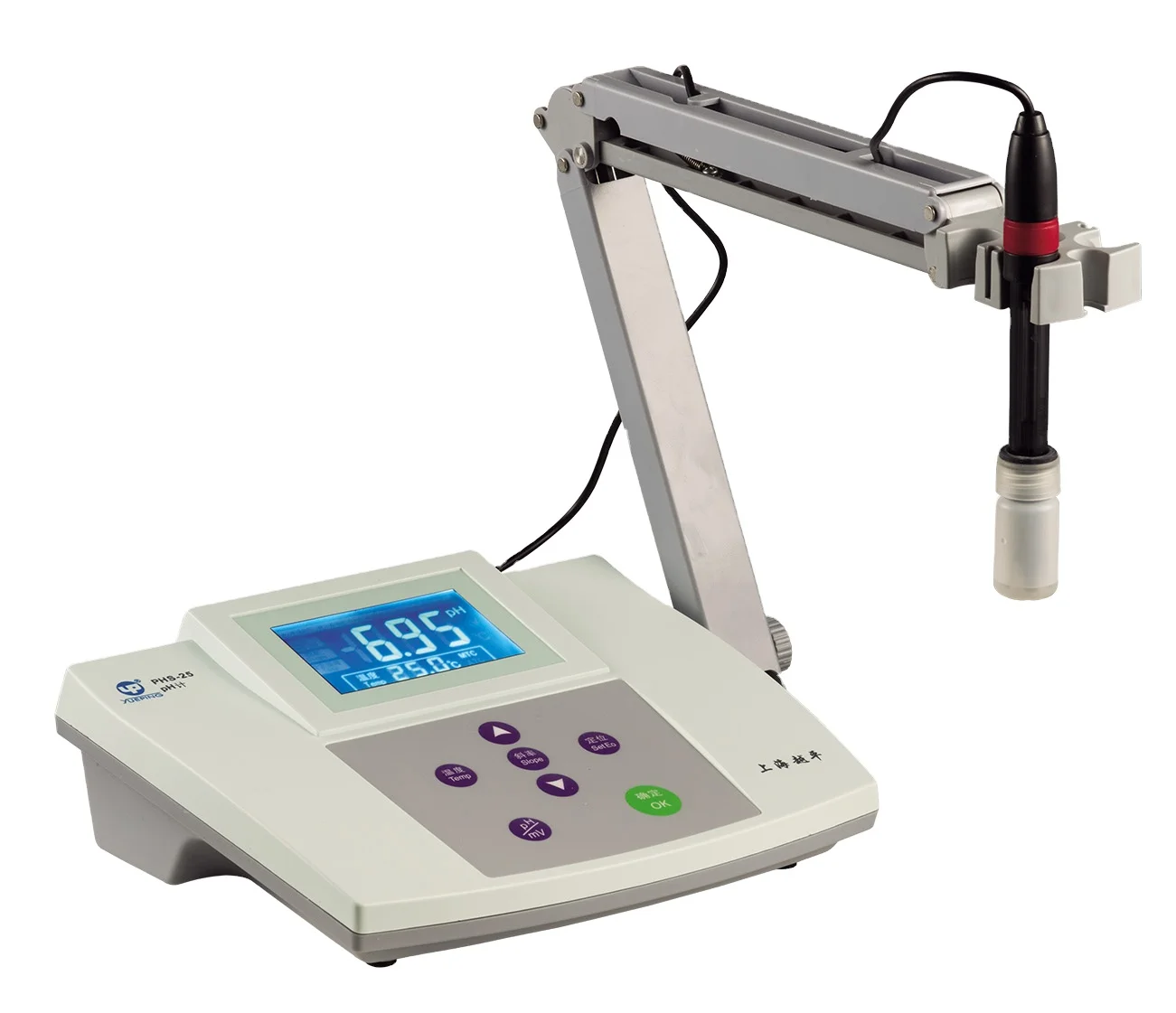
This is where a pH meter comes into handy! A digital pH reader is an instrument used to measure the pH value of a certain medium; this is a fast and accurate way of measuring pH. It’s like having a super, sciencey friend on standby at all times.
If you want, you can always use a digital pH reader (which is easier than you think; just put in the soil and water and it reads it). To ensure you get accurate readings, first, you need to calibrate your pH reader. That generally involves immersing the reader in a solution of known pH.
Once your pH reader is set up, you can begin to measure the pH of various substances. Simply immerse the reader into the material you wish to measure and allow the reading to stabilize. It shows the pH level on its digital screen, which tells you how thoroughly (acidic or basic) it may be.
Since water is vital to life on Earth, it must be safe to drink. Using a digital pH reader, you can check the pH level of water and know its quality. Having the proper pH level makes for safer drinking water, and it also is good for plants and animals.
Now, the digital pH readers found today have many features to make measuring pH simple and fast. Some of the sensors have built-in LEDs that can adapt to the temperature, while some others feature large digital displays that are readable.
Consider your needs when choosing a digital pH reader. If you’re going to be testing a lot of different types of substances, look for a reader that can handle a wide pH range. If you have frequent water testing needs, opt for a waterproof reader.