 ×
×
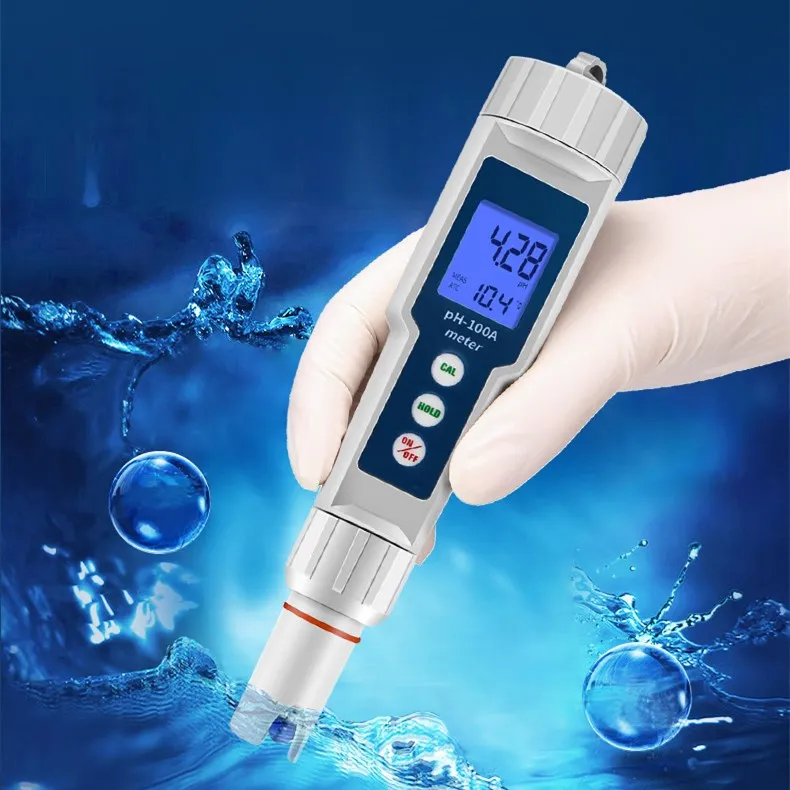
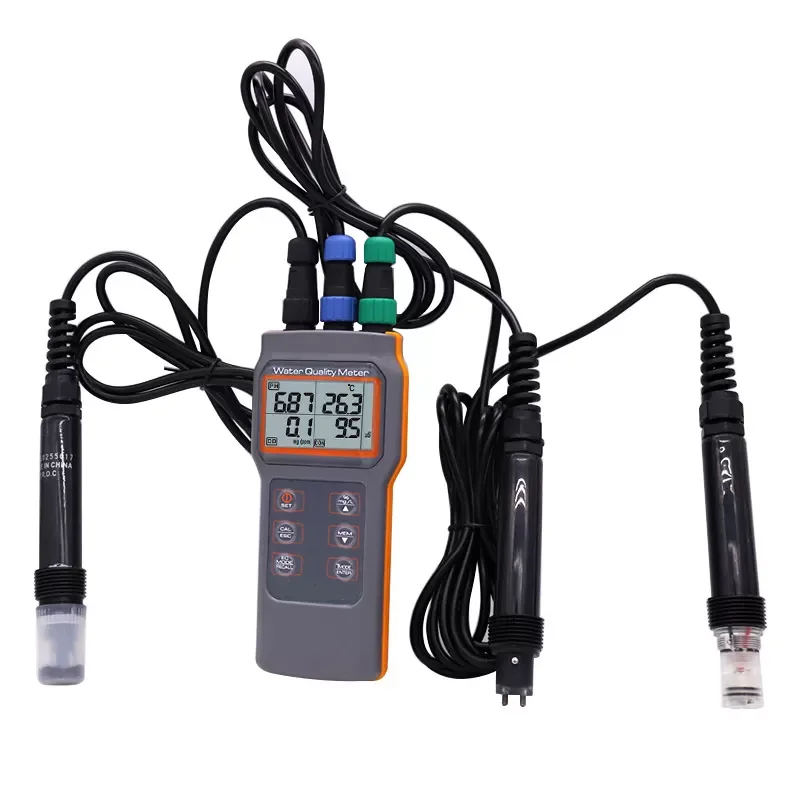
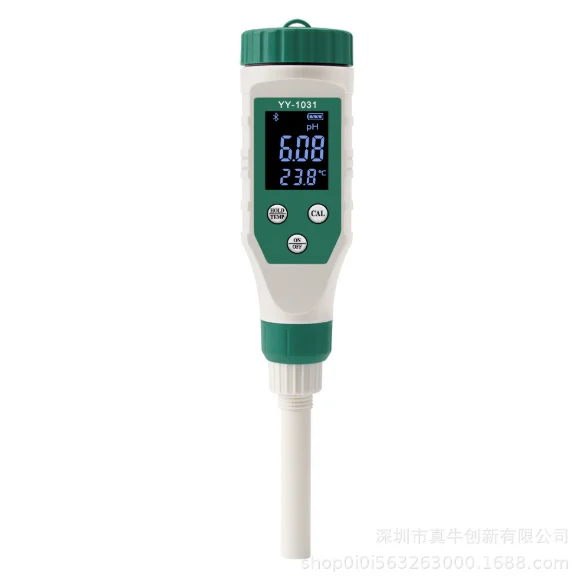
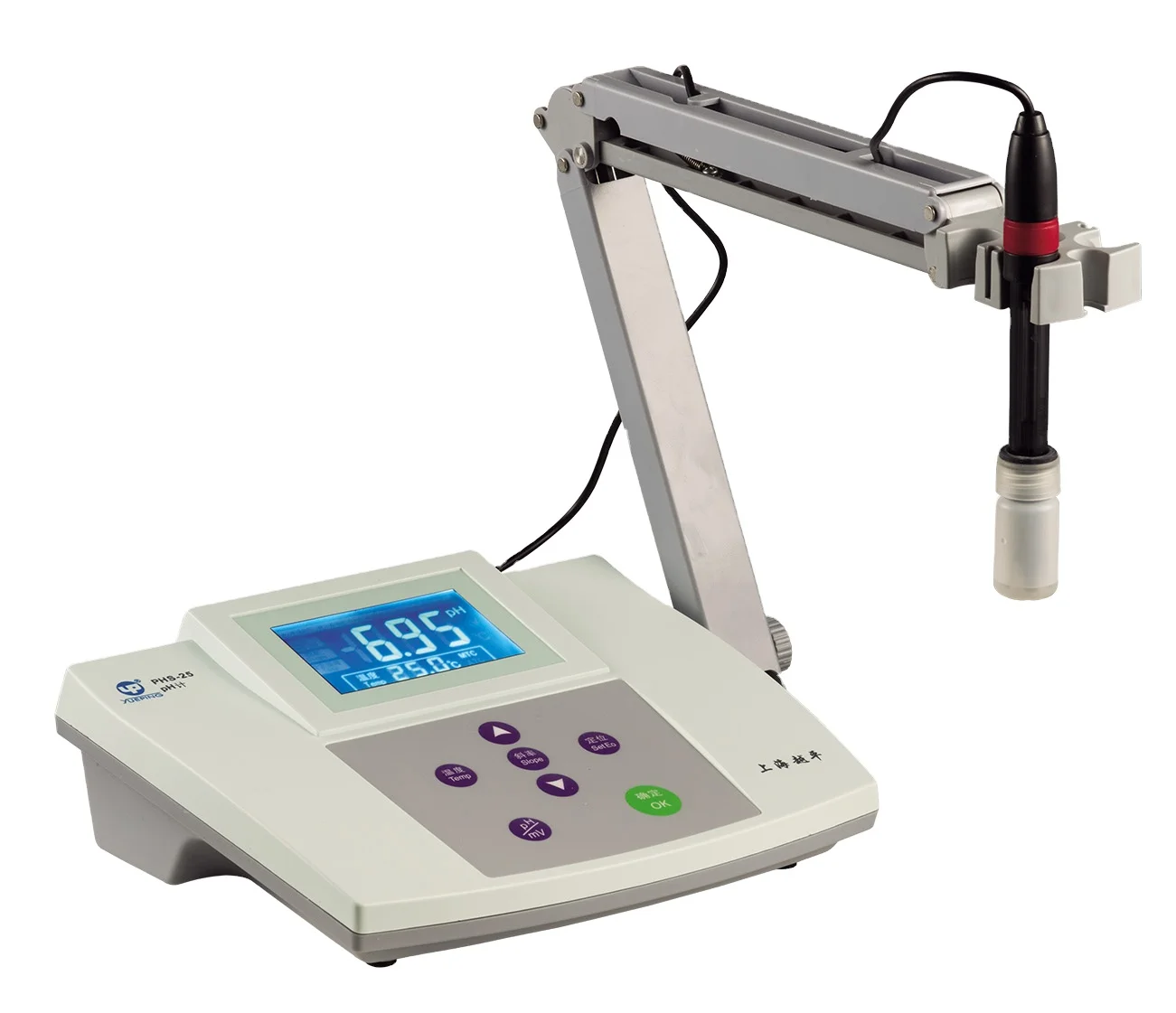
Learning to measure pH in a lab is an important skill for young scientists. We can tell if something is acidic or basic by pH. The pH scale ranges from 0 to 14, with 7 being neutral. Any substance with a pH less than 7 is acidic. If its pH exceed 7, it is basic. For example, in labs, we use pH meters to check the pH of various liquids. These tools assist us in doing experiments right; less human error.
So, to have good results, we have to maintain our pH meter. Which means we need to calibrate it, a way to ensure that it's reading accurately. This is typically done with standard solutions known to have specific pH values. Consistently rinsing off the pH meter’s electrode with distilled water, and storing it correctly when we’re finished using it, will help it work well too. Following these procedures will increase the life span of your pH gtube and also provide accurate measurements.
At times, we might face hiccups with the pH meter in the laboratory. One of the common problems encountered by a pH meter is a slow response. This can take place when the electrode is dirty or the battery is discharged. And this can be corrected by cleaning the electrode and changing the battery. When readings gradually change over time, we have another issue called drift. In order to correct drift, it may be necessary to recalibrate the pH meter or replace the electrode. We can avoid making mistakes in our experiments by learning how to solve these problems.
Pinpoint accuracy in measuring pH is critical. This is why we trust our results: we take accurate measurements. Precision is a measure of how consistent our measurements are. Less difference lends more precision. In order to be accurate and precise, we must frequently calibrate our pH meter so that we get the correct techniques. So, paying attention to some of these details will give us confidence in the information we acquire thru experiences.
Best practices to follow for storing and handling pH meters in the lab. Store your pH meter in a cool, dry location, protected from heat (stove or heater) and direct sunlight. Avoid storing it around chemicals that could damage the electrode. Because the pH meter has an electrode, taking care of it is one of the factors to consider, so the electrode should not be dropped or bent on the part of the glass. These simple rules in the end will help us prolong the life of our pH meter and preserve the accuracy of its readings in subsequent experiments.